


 written by
In the rapid evolution of the workplace, the integration of Human Resources (HR) and Artificial Intelligence (AI) is not just an innovative leap but a necessity. This fusion holds the promise of transforming the HR landscape, from streamlining operational tasks to enhancing the employee experience. But how can HR and AI be effectively integrated to harness these benefits? Let’s delve into this compelling question, unraveling the strategies that can make this integration both smooth and impactful.
Rethinking HR Through AI
The integration of AI in HR heralds a shift towards more data-driven decision-making processes. AI’s capacity to analyze vast datasets can provide insights that were previously unattainable. By leveraging these insights, HR professionals can make more informed decisions, predict future trends, and tailor their strategies accordingly. But the journey to effective integration requires a clear roadmap.
Seamless Recruitment Processes
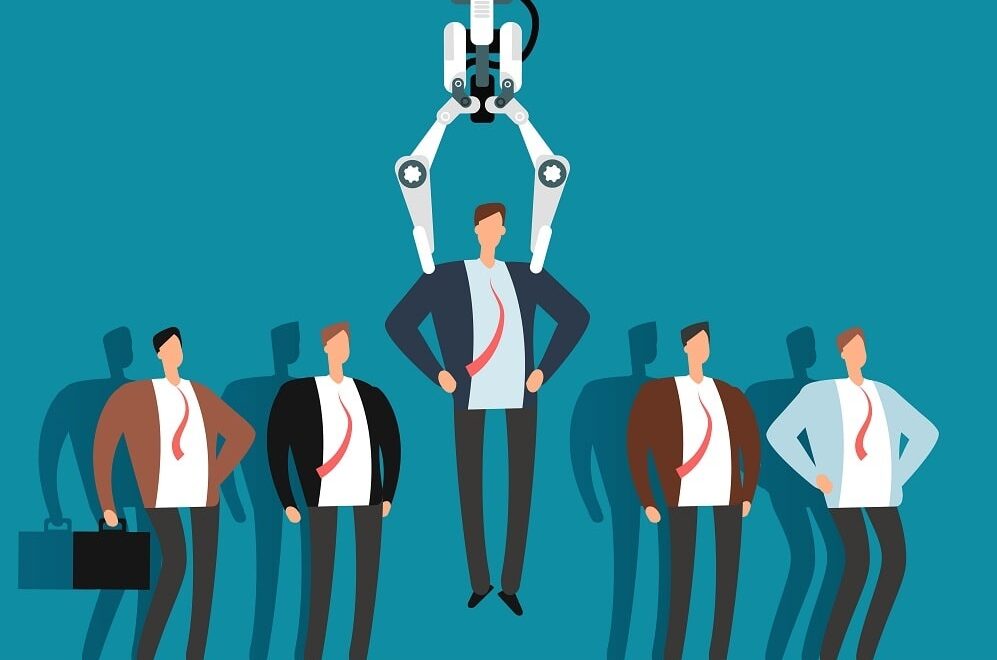
One of the most promising areas for HR and AI integration is in the recruitment process. AI-powered tools can automate the screening of resumes, helping HR departments handle high volumes of applications efficiently. Moreover, AI can enhance the candidate experience, using chatbots to provide immediate responses to inquiries and updates on application status. But AI’s role is not just about efficiency; it’s also about enhancing decision-making. By analyzing patterns in successful employee profiles, AI can guide HR professionals in identifying the most promising candidates.
Personalized Employee Experience
AI can profoundly impact employee retention and satisfaction by facilitating a more personalized employee experience. AI systems can monitor employee engagement levels, identify areas of dissatisfaction, and suggest interventions before issues escalate. Furthermore, AI-driven learning platforms can customize training programs to match individual employee preferences and learning styles, fostering a culture of continuous learning and development.
Optimal Performance Management
The integration of AI in performance management can transform it from a bureaucratic, often subjective process into a dynamic, data-driven one. AI can provide real-time performance data, offering insights not only into what employees are achieving but also how they are achieving it. This enables managers to provide more constructive feedback and to recognize achievements timely. Moreover, AI can identify patterns in performance data, helping to predict and mitigate potential performance issues.
Navigating Ethical and Privacy Concerns
A crucial aspect of integrating AI into HR is addressing ethical and privacy concerns. The use of AI must be guided by transparent policies that protect employee data privacy and ensure that decisions are free from biases. HR departments must also ensure that AI implementations comply with legal and regulatory standards. Building trust is essential, and this starts with clear communication about how AI is used and the safeguards in place to protect employees.
Conclusion: A Collaborative Future
The integration of HR and AI is not about replacing human judgment but enhancing it. AI provides tools that can amplify the effectiveness of HR professionals, allowing them to focus on the strategic aspects of their role and foster a more engaging and supportive workplace culture. However, achieving effective integration requires a collaborative effort, involving not just HR and IT departments, but employees at all levels.
The road ahead invites us to explore further questions: How can organizations foster a culture that embraces AI while prioritizing human values? What strategies can ensure that the integration of AI in HR leads not just to greater efficiency but to a more inclusive and equitable workplace?
The integration of HR and AI is a journey of continuous learning and adaptation. But by embracing this integration thoughtfully and ethically, organizations can unlock the full potential of their workforce, propelling them toward a future where technology and humanity converge to create more meaningful and productive work environments.